

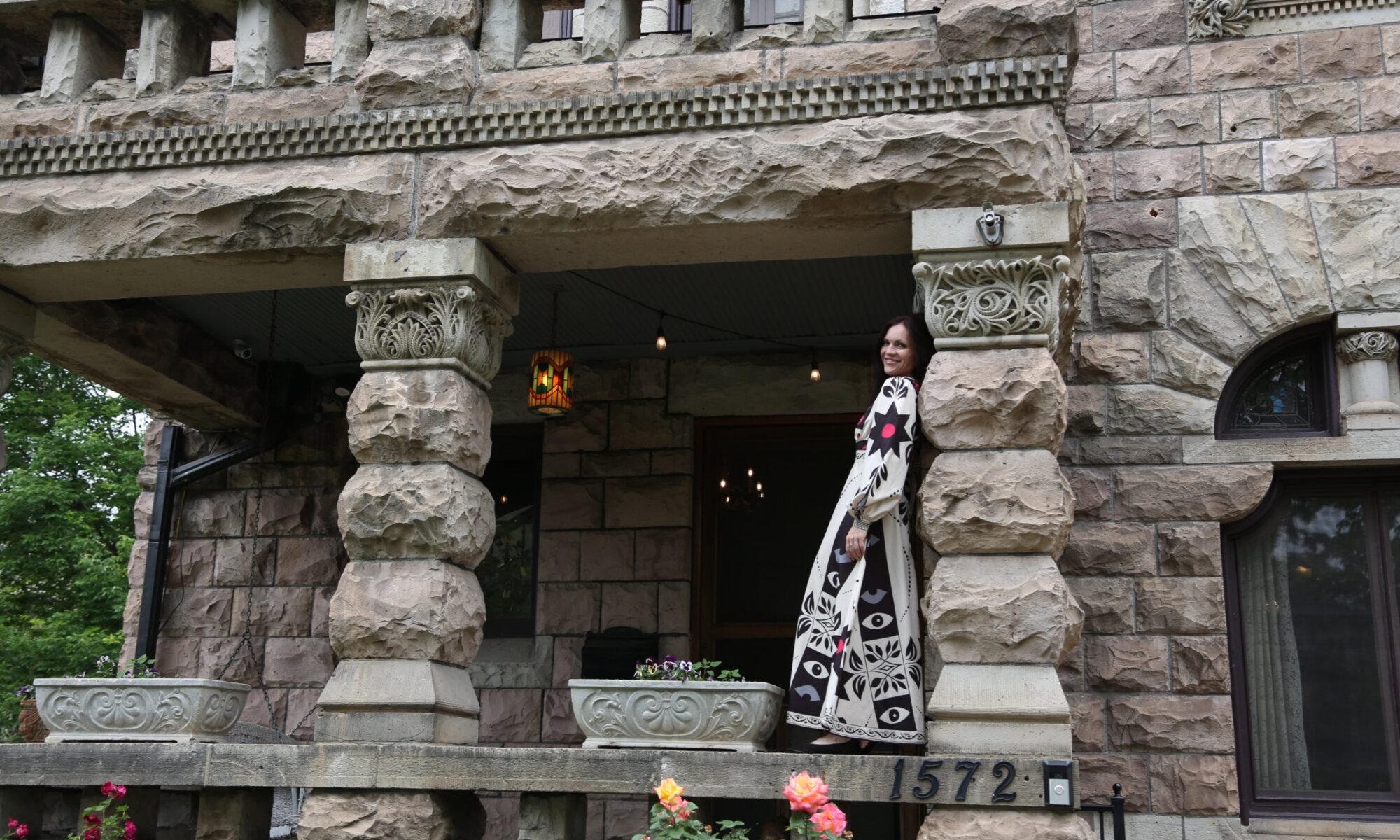
A Love of Old Denver That Started at Home
During the Great Depression, Jessica’s great-grandmother — the young-adult author Leonora Mattingly Weber — bought a duplex in City Park. She earned the money that paid for it, though as a woman in that era she couldn’t put her own name on the mortgage. Nearly a century later, the home is still in the family, and Jessica owns part of it.
Jessica grew up in a turn-of-the-century farmhouse in Park Hill, and the Castle Marne — William Lang’s 1889 mansion, built for banker William Raymond — held her imagination from childhood. In 2022, she and a business partner bought it, and the restoration work continues today.
That is the perspective she brings to every historic home she helps buy or sell: these houses hold stories, and they deserve owners who know what they are getting into.

“It was kind of like buying a family heirloom.”
— Jessica Abegg, to Homes.com
Before You Buy a Landmark Home in Denver
Budget more than you think
Century-old homes can hide lead paint and asbestos, and historic-spec windows and materials cost more than standard ones. Build a real cushion into your numbers.
Expect a review for exterior changes
In a landmark or historic district, most exterior work needs approval first. Plan your projects around that process, not against it.
Be patient with time and holding costs
Approvals and specialist trades move slower, so timelines stretch and holding costs run higher. Patience is part of the price.
Ask about incentives
Landmark status can open the door to tax incentives, grants, and low-cost loans that help offset the extra care these homes need.
The return isn’t always financial. As Jessica puts it, “It is a labor of love.”
Thinking About a Historic Home? Let’s Talk.
Buying or selling in Capitol Hill, City Park, the Wyman Historic District, or anywhere in Denver — start with someone who has lived it.